Why Small Booklets Can Make a Big Difference
In today’s fast-changing digital world, children are surrounded by social media, online entertainment, video games, and an overwhelming amount of information. While technology has opened new opportunities for learning, it has also reduced the habit of reading meaningful literature. Many school-going children find it difficult to read lengthy books because of academic pressure, short attention spans, and numerous extracurricular activities.
This is where nationalistic and patriotic booklets become highly relevant. Compact, affordable, easy to understand, and engaging, these booklets can play an important role in introducing young Hindu students to India’s glorious civilization, inspiring personalities, cultural heritage, constitutional values, and stories of sacrifice and service to the nation.
Unlike large reference books, well-designed booklets can be read within a short time while leaving a lasting impression on young minds. They are ideal for schools, libraries, cultural organizations, youth camps, and families who wish to encourage value-based reading habits.
Why Reading Habits Are Declining
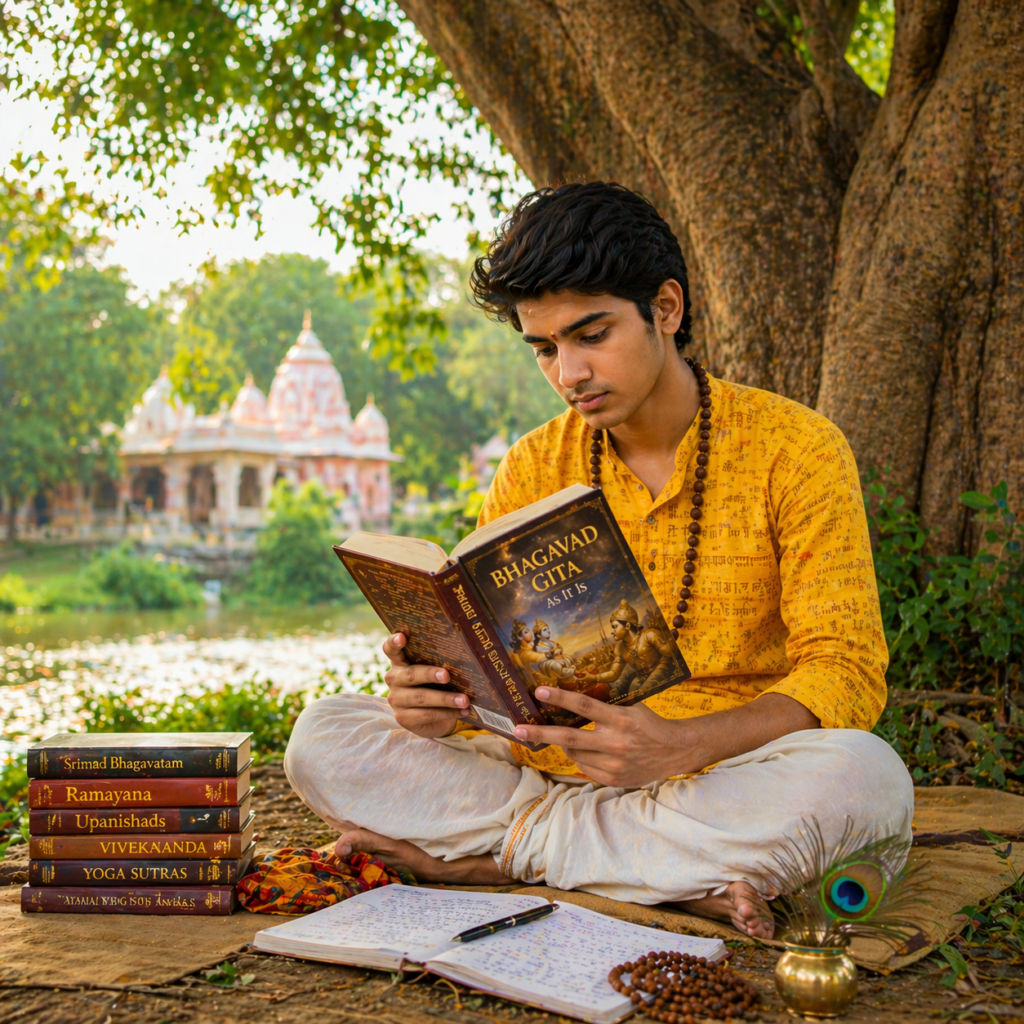
One of the greatest concerns among educators and parents today is the gradual decline in recreational reading. Many students spend several hours every day on mobile phones, short videos, and gaming platforms. As a result, concentration levels and sustained reading habits are decreasing.
Large books often appear intimidating to young readers. Even if the subject is interesting, many children hesitate to begin reading because they believe completing a thick volume requires too much time.
Short educational booklets solve this problem by offering:
- Easy-to-read language
- Attractive illustrations
- Short chapters
- Practical learning
- Quick completion
- A sense of achievement after finishing the booklet
This positive reading experience encourages children to read more frequently.
Why Patriotic Education Matters
Patriotism is not merely about waving the national flag on Independence Day or Republic Day. Genuine patriotism means understanding India’s history, respecting its Constitution, appreciating its cultural diversity, serving society, and contributing positively to the nation.
Young minds are naturally curious. They enjoy stories about courage, honesty, determination, sacrifice, and leadership. India’s history offers thousands of inspiring examples that deserve to be presented in a simple and engaging format.
Booklets can introduce children to:
- Freedom fighters
- Brave soldiers
- Scientists
- Social reformers
- Saints
- Philosophers
- National heroes
- Women leaders
- Innovators
- Environmental champions
These stories help students understand that every citizen can contribute to nation-building through knowledge, discipline, and service.
Understanding India’s Rich Civilizational Heritage
India possesses one of the world’s oldest continuous civilizations. Its traditions include remarkable achievements in philosophy, mathematics, astronomy, medicine, literature, architecture, music, yoga, and spirituality.
Many children know very little about these contributions because they are rarely presented in a child-friendly format.
Well-written booklets can introduce young readers to topics such as:
- Ancient Indian universities
- Contributions of Indian mathematicians
- Ayurveda
- Yoga
- Sanskrit literature
- Temple architecture
- Classical music
- Festivals and their significance
- Indian scientific achievements
- Great spiritual teachers
Such knowledge helps children appreciate their heritage while remaining respectful toward all cultures and communities.
Why Booklets Are Better Than Large Books for Beginners
For beginners, booklets offer several practical advantages.
- Affordable
Small booklets cost much less than hardcover books, making them accessible to schools, parents, and community organizations with limited budgets.
- Easy to Carry
Children can carry several booklets in their school bags without adding extra weight.
- Quick Reading
A booklet can often be completed in one or two sittings, motivating students to continue reading.
- Better Retention
Short, focused content is often easier for children to remember than lengthy chapters.
- Attractive Design
Colourful illustrations, infographics, and activity pages make learning enjoyable.
Building Strong Moral Values
Patriotic literature should not promote hostility or prejudice. Instead, it should inspire universal values such as:
- Honesty
- Discipline
- Respect for parents
- Respect for teachers
- Compassion
- Courage
- Responsibility
- Environmental awareness
- National service
- Social harmony
These values help children become responsible citizens capable of contributing positively to society.
Supporting School Education
Nationalistic and patriotic booklets should complement—not replace—formal education. They can serve as valuable supplementary reading material for:
- Morning assemblies
- Library periods
- Reading clubs
- Essay competitions
- Debate competitions
- Quiz contests
- Cultural programmes
- Summer camps
- Youth workshops
Teachers can use these booklets to initiate meaningful classroom discussions about India’s history, culture, science, and civic responsibilities.
Encouraging Family Reading
Parents play a vital role in shaping children’s interests. Reading one booklet together every week can become a meaningful family activity.
Instead of spending every evening on digital devices, families can discuss inspiring stories from Indian history, scientific achievements, acts of courage, and social service.
Such discussions strengthen family bonds while nurturing curiosity and critical thinking.
Learning Through Stories
Children remember stories far better than facts alone.
A booklet that narrates the life of a freedom fighter, scientist, or social reformer can inspire readers more effectively than a long list of historical dates.
Stories create emotional connections that encourage children to reflect on values such as perseverance, honesty, and dedication.
Inspiring Future Leaders
Today’s school children are tomorrow’s:
- Teachers
- Scientists
- Doctors
- Engineers
- Soldiers
- Entrepreneurs
- Artists
- Civil servants
- Environmentalists
- Community leaders
Exposure to inspiring biographies and real-life examples can motivate them to pursue excellence while serving society.
Developing Critical Thinking
Good patriotic literature should encourage children to ask questions, verify facts, and appreciate multiple perspectives.
Rather than promoting blind acceptance, booklets can encourage:
- Curiosity
- Independent thinking
- Problem-solving
- Civic responsibility
- Respectful dialogue
- Evidence-based understanding
These qualities prepare students for responsible citizenship in a democratic society.
The Role of Illustrations
Visual learning is especially effective for younger readers.
High-quality illustrations can simplify complex topics and maintain children’s interest. Maps, timelines, portraits, diagrams, and activity pages make booklets more engaging and memorable.
Digital and Printed Booklets
Modern readers benefit from both formats.
Printed booklets remain valuable because they reduce screen time and improve concentration.
Digital versions, including PDFs and e-books, make educational content accessible to children in remote areas and to families who prefer online learning.
A balanced approach combining both formats can significantly expand the reach of patriotic educational material.
The Importance of Fact-Based Content
Every booklet should present information that is:
- Historically accurate
- Well-researched
- Age-appropriate
- Clearly referenced where needed
- Respectful in tone
- Educational rather than sensational
Reliable content builds trust among parents, teachers, and students.
The Role of Schools and Community Organisations
Schools, libraries, cultural organisations, resident welfare associations, and youth groups can all contribute by:
- Organising reading circles
- Conducting booklet review sessions
- Holding storytelling competitions
- Celebrating national days with educational activities
- Encouraging students to write their own patriotic stories
- Recognising regular readers through certificates and awards
These initiatives foster both literacy and civic awareness.
Choosing the Right Topics
Effective booklets for young readers may cover topics such as:
- India’s freedom movement
- The Constitution of India
- National symbols
- Inspiring personalities
- Scientific achievements
- Environmental conservation
- Indian inventions
- Yoga and wellness
- Festivals and traditions
- Duties of responsible citizens
- Acts of bravery
- Community service
- Cultural heritage
- Stories of perseverance and innovation
A diverse range of subjects ensures that children develop a broad understanding of India’s history, society, and values.
A Shared Responsibility
The responsibility of nurturing informed, compassionate, and responsible young citizens does not rest with schools alone.
Parents, grandparents, teachers, writers, publishers, social organisations, and community volunteers all have a role in encouraging meaningful reading habits.
Affordable patriotic and educational booklets can become valuable tools in this collective effort by making knowledge accessible, engaging, and enjoyable for children.
Conclusion
Small booklets may appear modest in size, but their educational impact can be significant. In an age of shrinking attention spans and increasing digital distractions, concise, well-designed publications offer an effective way to introduce young Hindu school-going children to India’s history, culture, civic values, and inspiring personalities.
When these booklets are factual, inclusive, age-appropriate, and engaging, they help cultivate curiosity, discipline, compassion, and a sense of responsibility toward society and the nation. They also encourage reading habits that may later inspire children to explore more detailed books and lifelong learning.
The future of any nation depends on the character and knowledge of its young citizens. By making quality patriotic and value-based reading material widely available in simple booklet form, families, schools, and community organisations can help nurture informed, confident, and responsible individuals who appreciate India’s rich heritage while contributing positively to its future